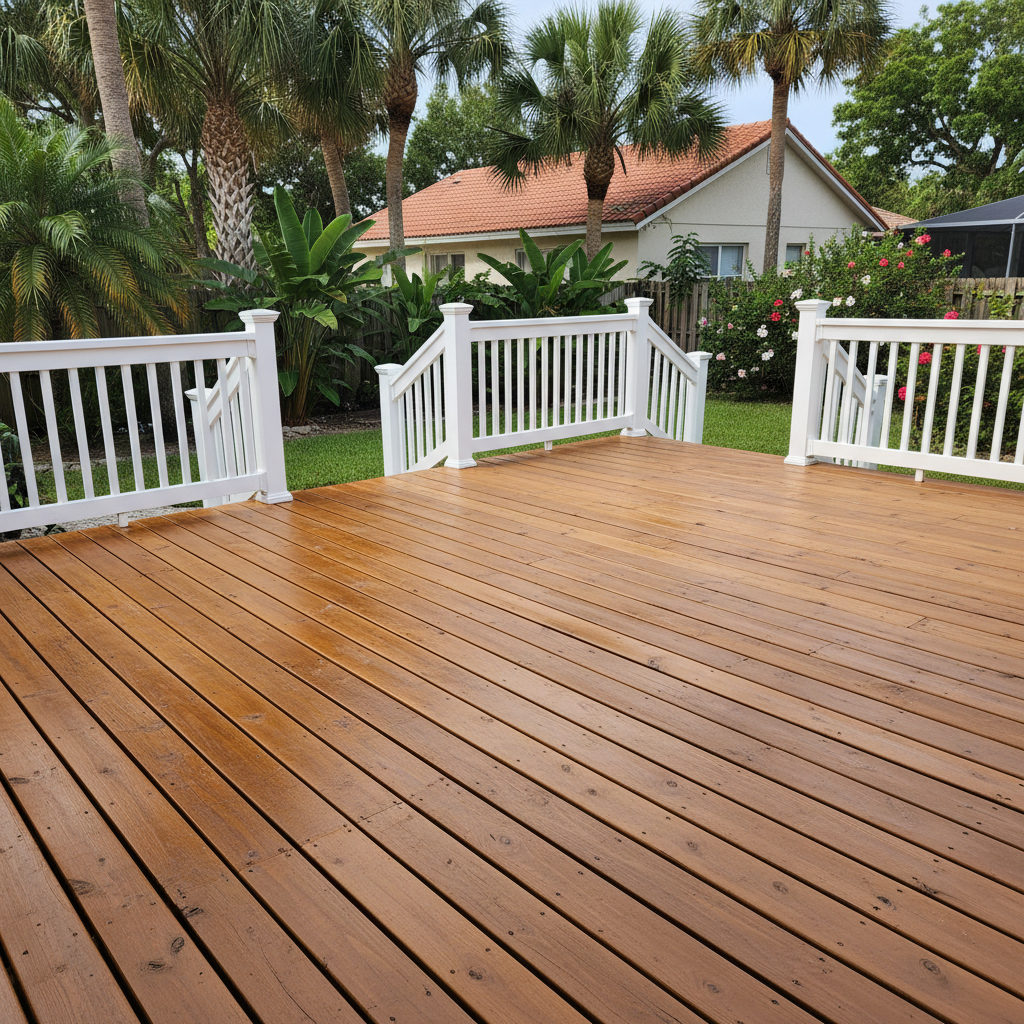
You just invested in a beautiful new deck, or maybe you gave your old one a fresh coat of stain or paint. Looks sharp, right? But here in West Palm Beach, that fresh look won't last long if you don't know how to fight back against our relentless sun, humidity, and those afternoon downpours. I've seen countless decks prematurely fade, peel, and rot because folks didn't understand what Florida weather does to a finish.
Extending the Life of Your Deck's Finish: It's All About Protection
It's not just about slapping on a good product; it's about what happens next. The biggest enemy to any deck finish down here is UV radiation. That Florida sun is no joke, and it breaks down the binders in paints and stains, leading to fading and peeling. Then you've got the humidity, which encourages mold and mildew, especially on the north-facing side of a house where the sun doesn't hit as hard.
Here's what you can do to really extend that lifespan:
- Choose the Right Product: This starts before you even apply it. I always recommend high-quality, exterior-grade stains or paints specifically designed for decks. Look for products with UV inhibitors and mildewcides built right in. Don't skimp here; a cheaper product will cost you more in the long run when you have to re-do it sooner.
- Proper Preparation is Key: You can't just paint over dirt. Clean the deck thoroughly before applying anything. Use a good deck cleaner, maybe even a pressure washer (carefully, on a low setting, or you'll splinter the wood). Let it dry completely – and I mean completely – before you start.
- Apply Thin Coats: Don't try to glob it on. Two thin coats are always better than one thick one. It dries harder, adheres better, and is less likely to peel.
- Consider a Topcoat: For stains, especially, a clear, UV-resistant topcoat can add an extra layer of protection. It's like sunscreen for your deck.
Regular Maintenance: Your Deck's Best Friend
Once your deck is looking good, you can't just forget about it. Regular, simple maintenance will save you a ton of headaches and money down the line. Think of it like washing your car; you don't just wash it once and expect it to stay clean forever.
- Sweep Regularly: Get rid of leaves, dirt, and debris. This prevents moisture from getting trapped and keeps organic matter from breaking down and staining the surface.
- Annual Cleaning: At least once a year, give your deck a good scrub. A mild soap and water solution with a soft brush is usually enough. For tougher grime or mildew, a specialized deck cleaner can work wonders. Just make sure it's safe for your finish.
- Check for Mildew: This is a big one in our climate. If you see black or green spots, tackle them immediately. A diluted bleach solution (1 part bleach to 4 parts water) can work, but always test in an inconspicuous spot first and rinse thoroughly. There are also oxygen-based cleaners that are gentler on the finish.
- Trim Overhanging Branches: Less shade means less moisture retention and less leaf debris, which helps prevent mildew and rot.
Warning Signs: When Your Deck is Crying for Help
Your deck will tell you when it's in trouble, you just need to know what to look for. Don't wait until it's a disaster.
- Fading Color: This is usually the first sign the UV is winning. If your stain or paint is losing its vibrancy, it's losing its protective qualities too.
- Peeling or Cracking: If you see the finish lifting, flaking, or cracking, that means water is getting underneath, and it's no longer protecting the wood. This is a red flag.
- Mildew or Algae Growth: Beyond a little surface grime, if you're seeing persistent, widespread growth, it means the finish isn't doing its job to repel moisture or its mildewcides have worn off.
- Water Absorption: Pour a little water on your deck. If it beads up, your finish is still doing its job. If it soaks right in and darkens the wood, the finish is compromised, and the wood is exposed. This is critical, especially for older homes in neighborhoods like El Cid, where decks might be older and more susceptible to moisture damage.
When to Call a Professional: Don't Be a Hero
Look, I'm all for DIY, but sometimes it's smarter to call in the pros. If you see any of these, it might be time to pick up the phone:
- Widespread Peeling or Damage: If you've got large sections of peeling paint or stain, it's often more than just a quick touch-up. You might need a full strip and re-application, which is a big job.
- Rot or Structural Issues: If you're seeing soft spots in the wood, or if the deck feels spongy when you walk on it, stop what you're doing and call someone immediately. This isn't a cosmetic fix; it's a safety issue.
- You Don't Have the Time or Equipment: Stripping and refinishing a deck is labor-intensive. If you don't have the right tools (like a good pressure washer or orbital sander) or the time to do it right, you're better off letting a professional handle it.
- You're Not Sure What to Do: If you're looking at your deck and scratching your head, that's a sign. There's no shame in asking for help. We at All State Decks West Palm Beach deal with this stuff every day. We know the best products for our climate and how to get the job done right.
Taking care of your deck's finish isn't just about looks; it's about protecting your investment. A well-maintained deck will last longer, stay safer, and add more value to your home. Ignore it, and you'll be looking at costly repairs or even a full replacement sooner than you think.